
About Us
We Are Rad Grid
Our Mission is Simple
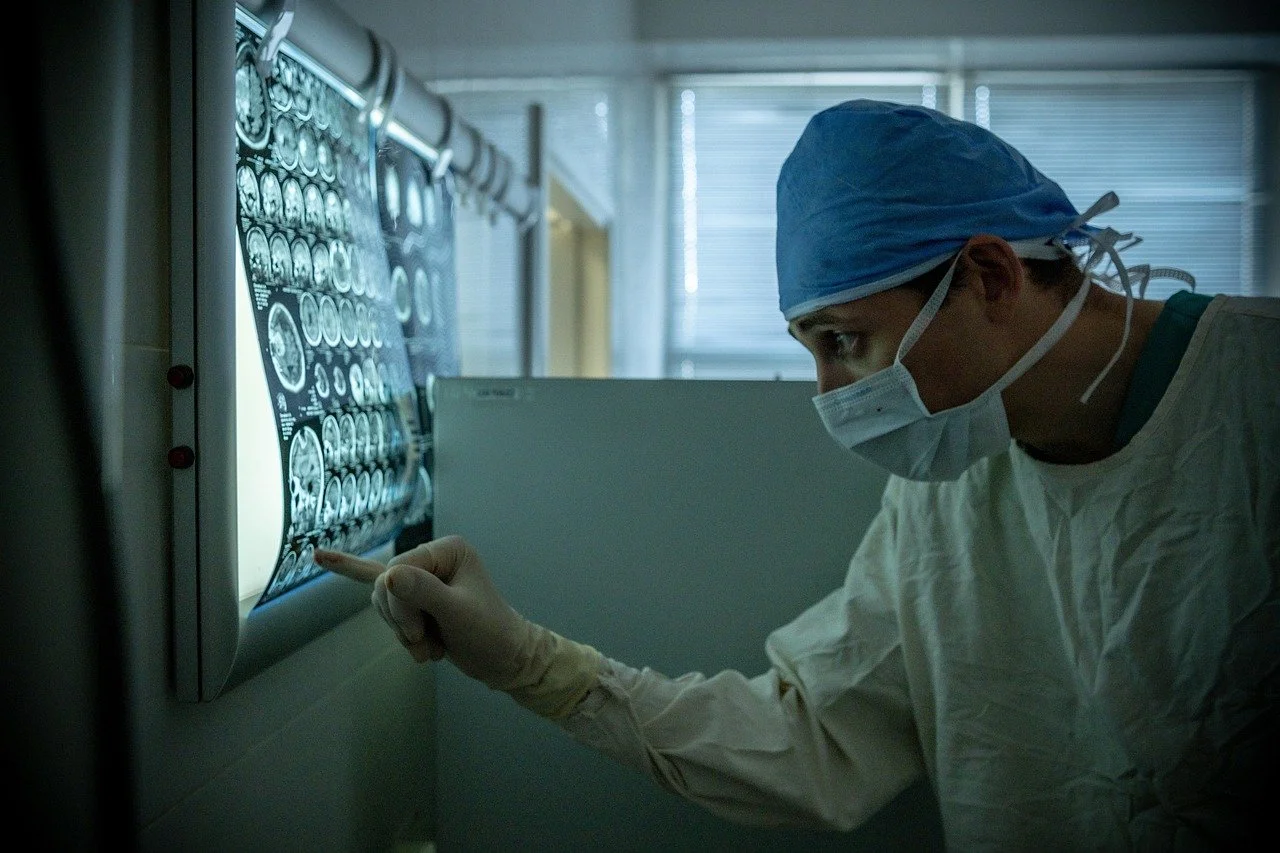
We provide web-based radiology infrastructure that streamlines workflows and unlocks additional reporting capacity. Our unified platform and network of credentialed radiologists enable hospitals to deliver faster, safer care at scale.
Exceptional Radiology Starts Here

Who We Are
Over the years, we’ve seen how radiology is asked to do more and more: more scans, more complexity, more pressure—often with the same resources. Some days everything flows smoothly. Other days, backlogs build up, reports are delayed, and quality can vary simply because teams are working at their limits.
Across different facilities and countries in the region, we noticed the same pattern: access to subspecialty expertise, staffing, and infrastructure isn’t always evenly distributed. It’s not about “good” or “bad” hospitals; it’s about how the system is set up. Patients, however, all deserve the same standard of care.
For some of us, this story is personal. Members of our team—and our families—have received radiology reports that were incomplete, simply wrong, or missed critical findings. We know what it feels like to be on the patient side, waiting for clarity and getting more questions instead of answers. That experience is why we say we have skin in the game: we are building the service we would want for our own loved ones.
What Sets Our Team Apart
We bring in a global network radiologists from leading academic and tertiary centers in the United States and the Middle East.
Our service is backed by academic expertise that informs teaching, research, and the evolution of radiology standards—delivered through a clinically focused, high-reliability teleradiology model.

Why Choose Us
We’re building the teleradiology service that hospitals, clinicians, and patients deserve—fast, accurate, subspecialty-driven, and always available.
Access
Close the Access Gap
Bring world-class radiology expertise to every corner of care. Connect instantly to certified subspecialists who deliver accurate, clinically actionable reports.
Coverage
24/7 Coverage Without Compromise
Our around-the-clock “nighthawk” coverage ensures your teams never worry about nights, weekends, or holidays. Reliable, continuous reporting—anytime.
Subspecialty
Instant Subspecialty Access
Complex cases demand specialized insight. We route studies to the right subspecialist—neuroradiology, MSK, pediatrics, breast, ER, body imaging, and more.
Efficiency
Smarter Spending, Scalable Solutions
Reduce staffing costs with flexible, demand-based coverage. Replace expensive locums and avoid underutilized full-time hires at low-volume sites.
Critical Care
Speed When Seconds Matter
Rapid turnaround for trauma, stroke, and time-critical emergencies. Faster expert reads improve decision-making and patient outcomes.
Workflows
Stay Ahead of Backlogs
When volumes surge, our workload balancing distributes studies across our network to prevent queues and protect turnaround times.
The Problem We Solve
Radiology teams today face slow reporting times, limited access to specialists, outdated systems, and heavy workload pressure. These issues create delays, reduce efficiency, and affect patient care across hospitals and clinics.
Disconnected systems
Many hospitals operate with separate PACS, viewers, and tools that don’t communicate smoothly. This leads to inefficiencies, manual workarounds, and slower case handling across departments.
Limited remote coverage
Radiologists often cannot access cases securely from outside the hospital, limiting flexibility and slowing collaboration between teams working across different facilities or regions.
Slow reporting workflows
Outdated viewers and manual sorting create bottlenecks. Urgent cases take longer to reach the right specialist, impacting turnaround times and slowing decision-making.
Complex setup requirements
Traditional PACS solutions demand heavy IT involvement, complicated installations, and long deployment cycles, delaying access to improved imaging workflows.
Poor interoperability
Sharing imaging data between departments, facilities, or partner networks is often difficult, slowing referrals, consultations, and continuity of care.
Unorganized worklists
Radiologists waste time navigating crowded, unprioritized worklists, making it harder to focus on urgent cases and manage workloads efficiently.